
We work where the
work gets built.
One pattern runs through all of them: the operations are strong and the growth side is the least-built part of the business. What changes is the language, the buying process, and what the pressure actually feels like.
Generic growth advice dies on contact with a bid table.
Every sector has its own realities: different buyers, longer timelines, more stakeholders, and unique operational challenges. What works in one industry rarely works in another. We've been in these environments, not just studied them. That's why our guidance is practical, our strategies are relevant, and our execution drives results.
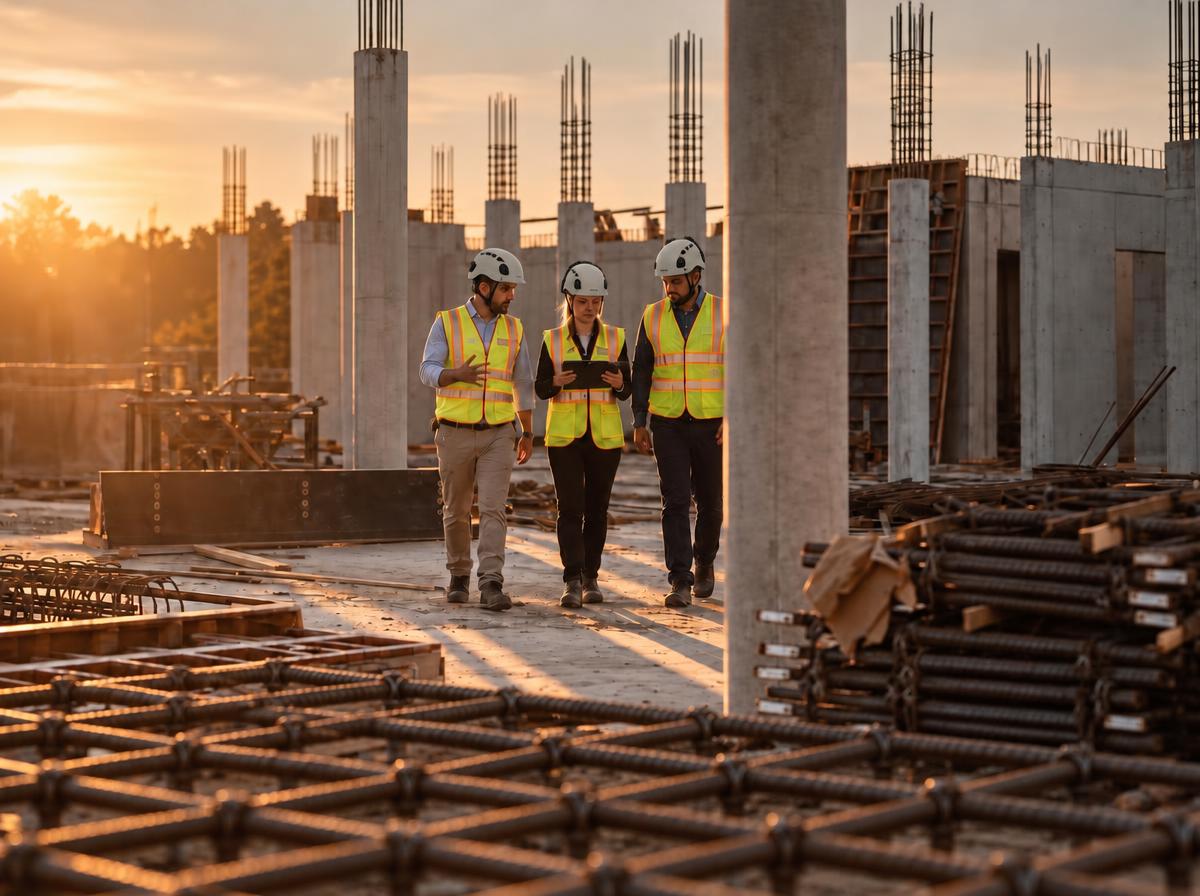 Construction
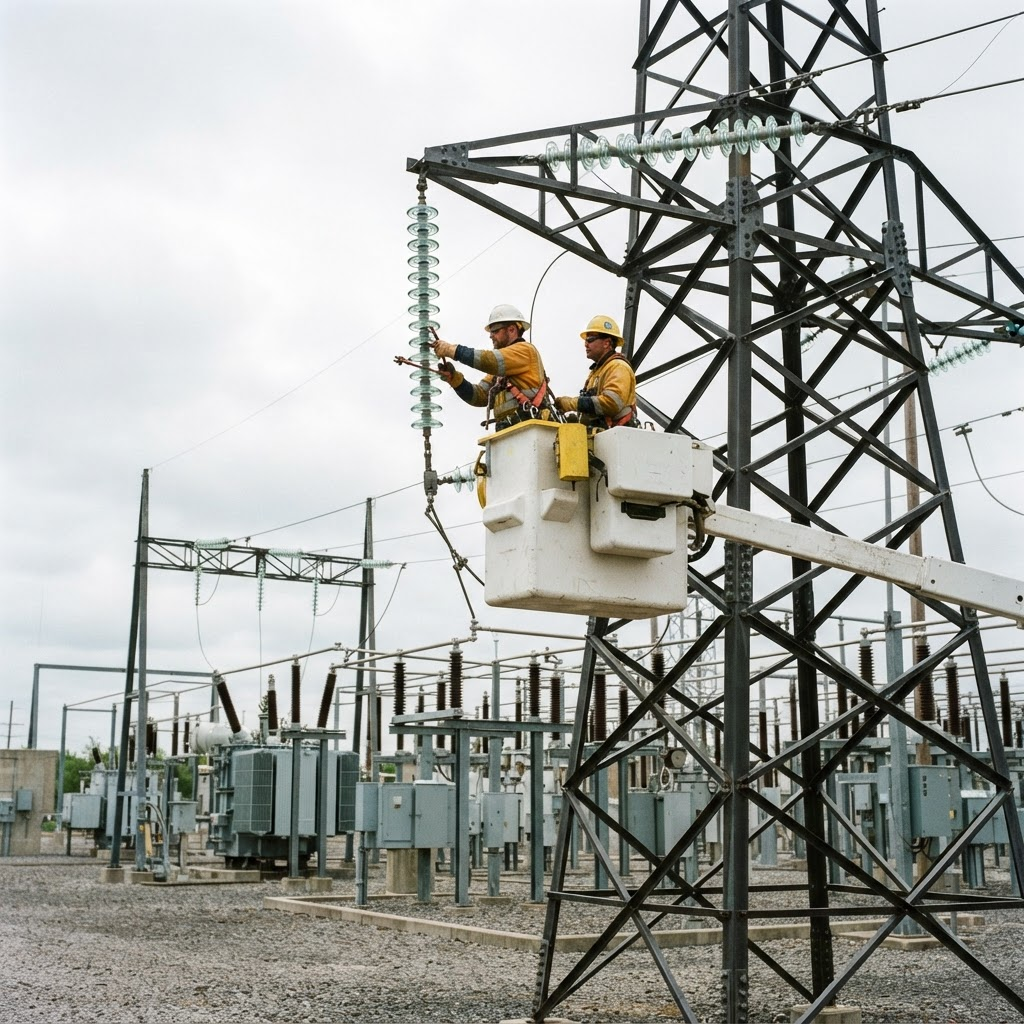 Energy
 Development
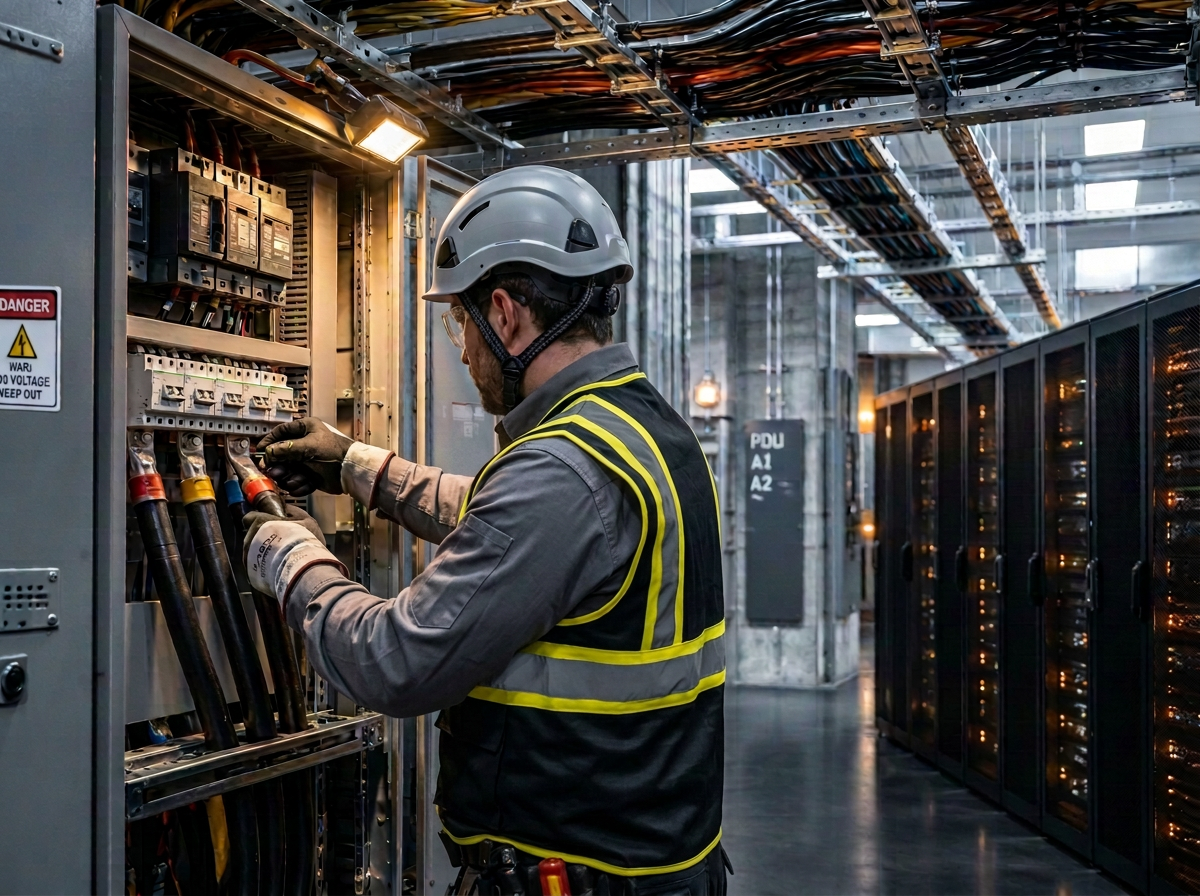 Services
01 / Construction
Built on relationships. Ready for systems.
Construction companies grow on reputation, repeat clients, and the strength of a few key relationships. That works remarkably well, until the founder's calendar becomes the ceiling.
Who we work with
General contractors, Construction managers, Design-build firms, Specialty trade contractors, Heavy civil and infrastructure, Engineering and architecture firms
Key growth pressures
Pipeline that depends on a few relationships
Work comes from the same owners, developers, and CMs it always has. When one relationship changes, so does the year, and there is no second source of demand underneath it.
Bid/no-bid decided by instinct
Estimating capacity goes into pursuits nobody scored, so win rates stay flat while the team gets busier. There is no shared definition of a good project.
Preconstruction as the real sales process
The growth work happens long before the bid, in positioning and early involvement. Most firms have never designed that stage deliberately.
A brand that undersells the work
The projects are excellent and the website, proposals, and pursuit materials do not say so. Owners cannot tell three qualified GCs apart.
Succession without a transferable business
If the relationships, judgment, and pipeline live in one or two people, the business is worth less than the work would suggest.
Construction02 / Industrial Services
Strong operations. Thin growth layer.
Industrial services companies are usually excellent operators with real technical depth. The growth side (how work is won, priced, and expanded) is often the least-built part of the business.
Who we work with
Industrial and mechanical contractors, Facility and maintenance services, Manufacturers, Building products and distribution, Environmental and specialty services, Equipment and rental businesses
Key growth pressures
Revenue concentrated in a few accounts
A handful of plants or customers carry the business. Everyone knows it is a risk, and nobody owns fixing it.
Recurring work treated as transactional
Turnarounds, shutdowns, and maintenance programs get re-won every cycle instead of being locked in as contracted, expanding relationships.
Cross-selling that never happens
Multiple service lines exist and each one sells alone. The customer who buys one has never been told about the other four.
Pricing set by habit
Rates follow what was quoted last year rather than the value delivered or the true cost to serve, and margin erodes quietly.
No growth function to speak of
Business development is one long-tenured salesperson and the owner. There is no process, no pipeline visibility, and no plan for when either retires.
Industrial Services03 / Commercial Real Estate
Strong assets. Undersold stories.
Capital underwrites more than the asset. It underwrites the clarity of the opportunity and the credibility of the sponsor presenting it, and that is usually the part nobody has built.
Who we work with
Developers, Sponsors, Owner-operators, Family offices, Investment groups, Brokerages, Service firms
*BuiltWell provides strategic narrative, growth positioning, market strategy, and presentation support. BuiltWell does not provide securities placement, investment banking, brokerage services, legal advice, valuation opinions, or audited financial analysis. Financial underwriting must be supplied by the client or completed by a qualified financial-modeling partner.
Key growth pressures
Materials the opportunity does not have yet
Capital asks for a memorandum, and what exists is a rent roll, a model, and a folder of photographs. The thesis has never been written down as an argument.
Sponsor credibility left implicit
The track record is genuinely good and it has never been packaged. Committees underwrite the sponsor as much as the asset, and they cannot underwrite what they cannot see.
Investor reporting as an annual scramble
Every year the same numbers get reassembled from scratch under deadline. There is no repeatable cadence, so reporting signals improvisation instead of institutional discipline.
Projects that reach the market unpositioned
Leasing or sales begins without a defined audience, broker strategy, or launch sequence, and the asset competes on price because nothing else was established.
New markets entered on relationships alone
A geography looks attractive and the entry plan is one contact and optimism. The broker, lender, and partner ecosystem was never mapped before capital was committed.
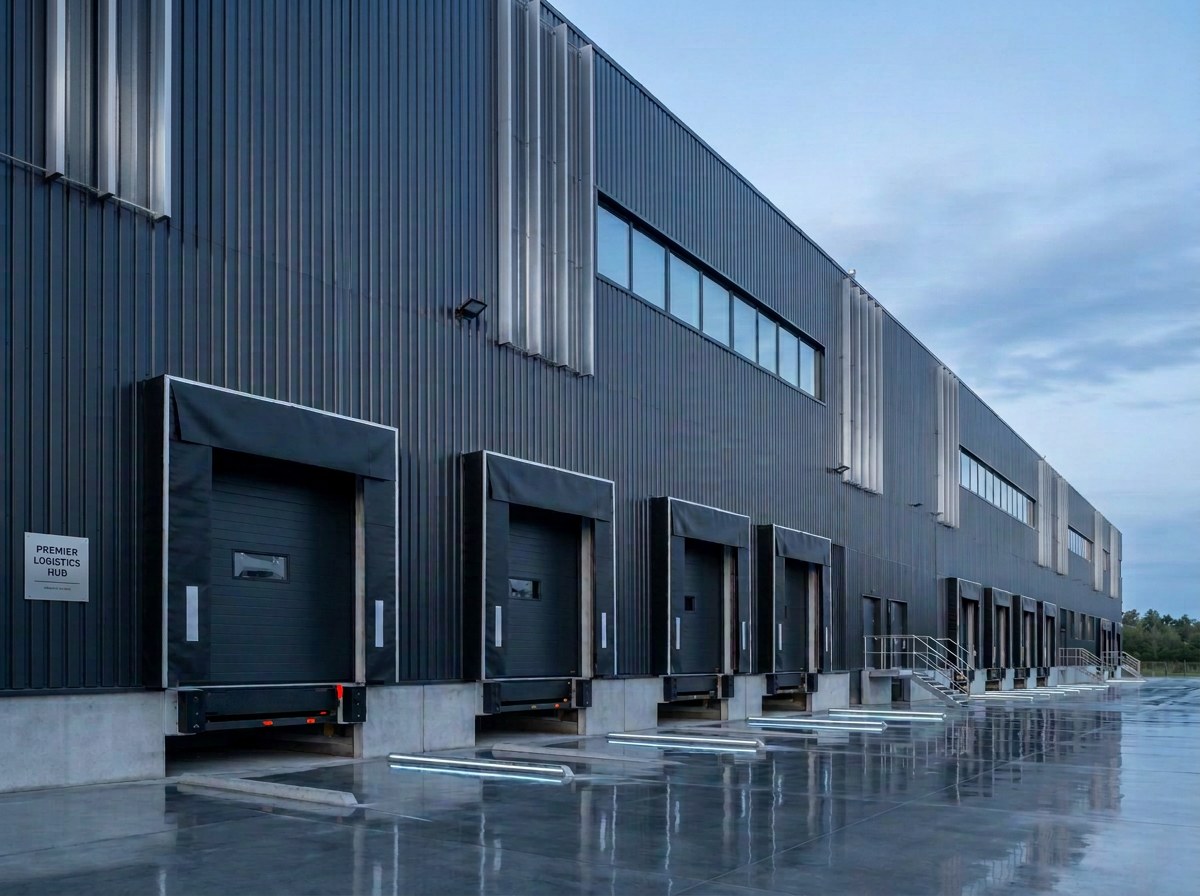 Commercial Real Estate
04 / HOLDCOS & EQUITY FIRMS
Strong companies. More value together.
Owning great businesses is one thing. Building the leadership, systems, and commercial capabilities that help each one reach its potential is another. BuiltWell works across the portfolio to turn investment strategy into operating-company execution.
Who we work with
Family Offices, Holding Companies, Private Equity Firms, Independent Sponsors, Permanent Capital Groups, Portfolio Companies
Key growth pressures
Growth potential without the commercial infrastructure
A portfolio company has a strong reputation and real opportunity, but marketing, sales, business development, technology, or reporting has not kept pace with the business.
Value-creation plans that need an owner
The strategy is clear, but management is already running the company. Critical growth initiatives need experienced leadership that can take responsibility from roadmap through execution.
Acquisitions that need to become integrated businesses
The transaction closes, but brands, systems, teams, technology, and go-to-market efforts remain disconnected. Integration requires operating work long after the deal is complete.
Different companies rebuilding the same capabilities
Each portfolio company independently solves the same problems, hires similar vendors, and builds similar systems. Shared expertise and infrastructure can create leverage without forcing every company into the same mold.
Growth without visibility across the portfolio
Ownership knows where it wants the businesses to go, but inconsistent reporting, systems, and commercial metrics make it difficult to see what is working, where support is needed, and where value is being created.
 HOLDCOS & EQUITY FIRMS
05 / PRODUCTS & DISTRIBUTION
Great products. Hard markets to reach.
Selling into the Built World requires more than a strong product. Growth depends on reaching the right contractors, owners, dealers, specifiers, and partners, then building the commercial systems and relationships that turn market opportunity into revenue.
Who we work with
Manufacturers, Distributors, Equipment Providers, Building Product Companies, Material Suppliers, Dealers, Rental Companies
Key growth pressures
Strong products without a clear market position
The product performs, but the story sounds like everyone else's. Buyers need a clearer reason to choose it, specify it, stock it, or recommend it.
Growth that still depends on relationships alone
A few strong salespeople or dealer relationships drive the business, but the company lacks the marketing, systems, data, and repeatable processes needed to scale beyond them.
New markets without a go-to-market engine
The opportunity exists to enter a new geography, vertical, channel, or customer segment, but the positioning, partnerships, sales strategy, and demand generation have not been built around it.
Sales channels that are not working together
Direct sales, distributors, dealers, manufacturers' reps, digital channels, and strategic partners operate independently when they should reinforce one another.
Commercial infrastructure that has not kept pace
The business has grown, but the CRM, website, sales materials, reporting, technology, and marketing systems still reflect a smaller company.
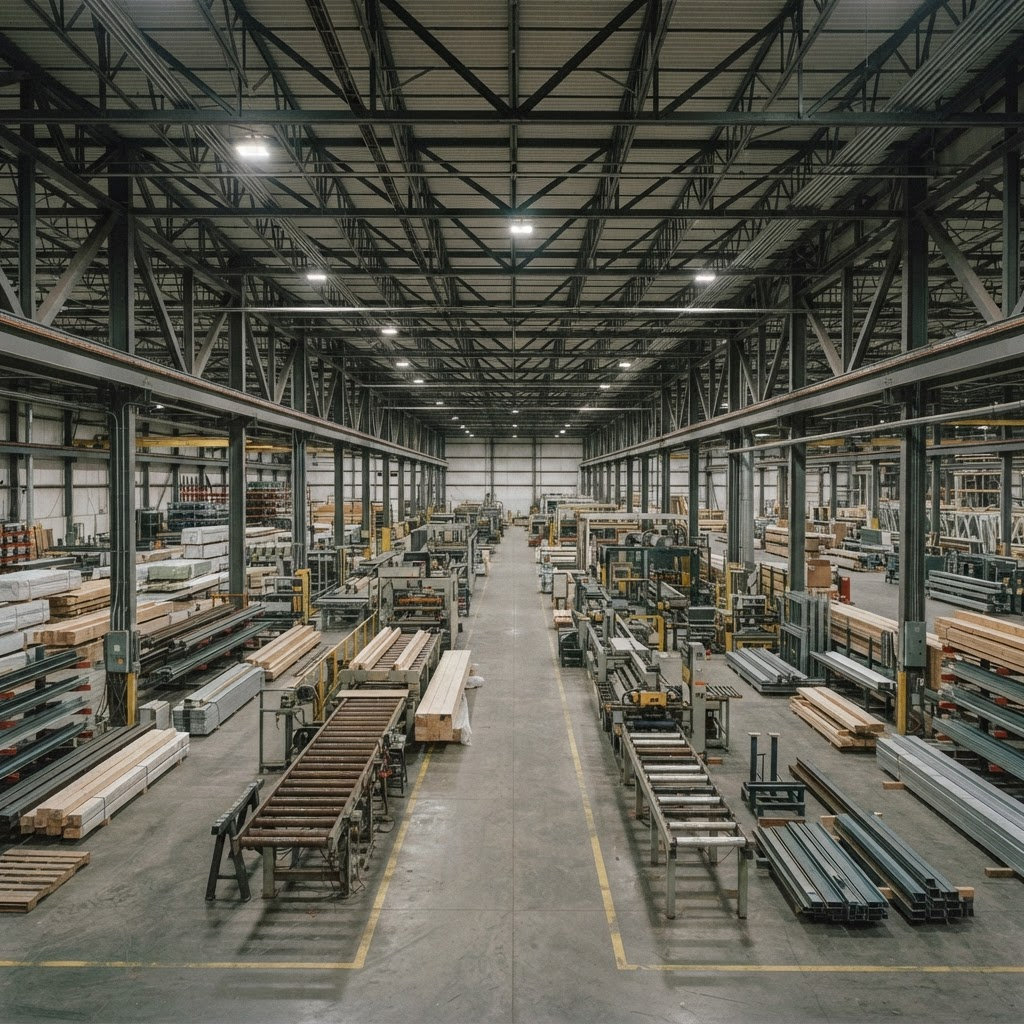 PRODUCTS & DISTRIBUTION
06 / Residential Development
Entitlements won. Story unwritten.
Residential development is sold one buyer at a time, over years, in a market where the product two streets over looks like yours. The land, the entitlement, and the product are usually strong. The brand, merchandising, and sales story that move absorption are the part left until last.
Who we work with
Custom builders, Multifamily developers, Townhome community developers, Mixed-use developers, Land developers
Key growth pressures
Absorption that stalls after the launch surge
The first phase sells on location and pent-up demand, then the rate drops and the model home sits. Nobody can say why, so the answer becomes price.
Merchandising that stops at the model home
Signage, the sales center, the online experience, and the follow-up get treated as decor instead of as the sales process. Buyers walk five communities in an afternoon and the difference has to be said out loud.
No brand above the individual community
Every development gets its own name, logo, and website, so nothing compounds. The builder's name carries no weight with the buyer who walked a phase two years ago.
Demand left to portals and brokers
Traffic arrives through third-party listings and paid channels whose costs rise every year, while the builder owns no audience, no list, and no way to reach the next buyer directly.
Price position given away at month end
Concessions get added to hit a monthly number instead of protecting a price, and the discount quietly becomes the community's real price.
Residential Development